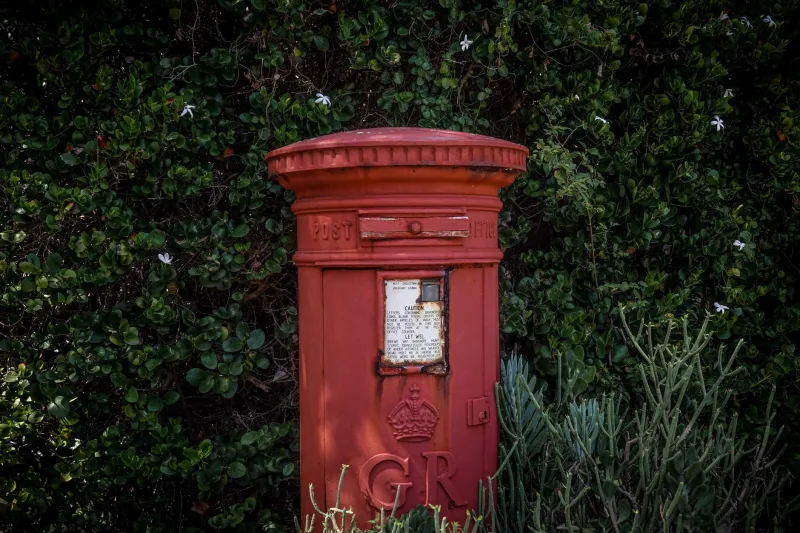
The Little Man Came Back With a Tan: Britain’s Garden Gnome Hostage Diplomacy
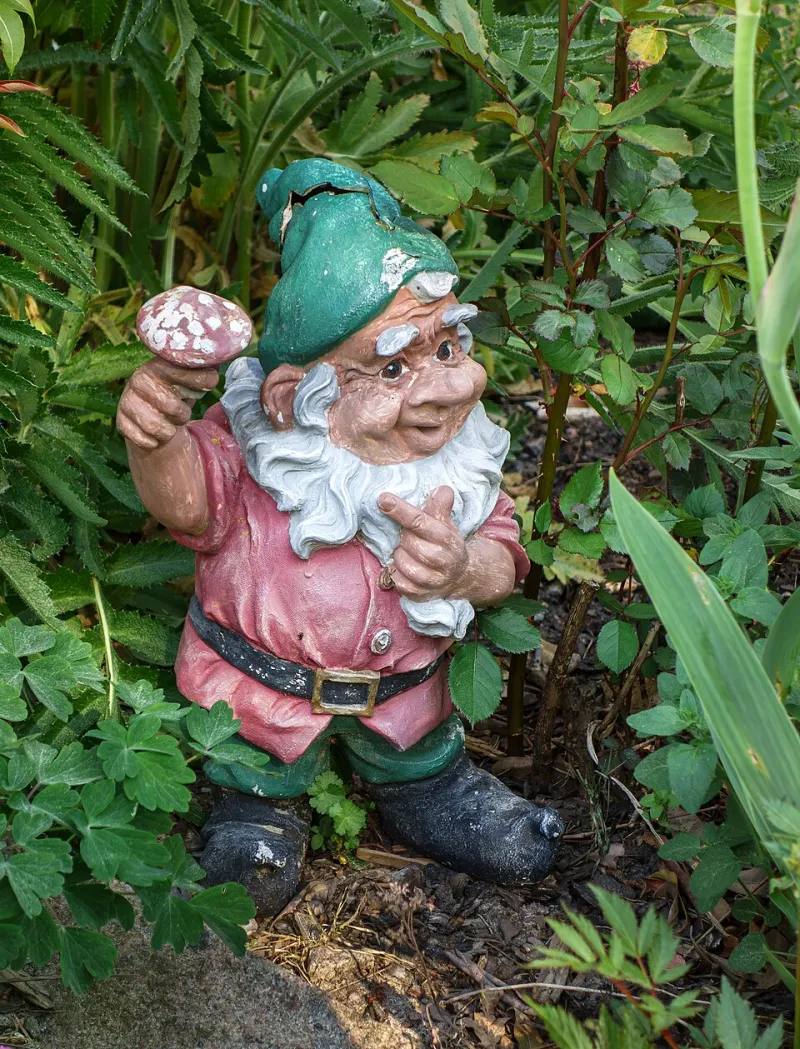
Photo: W.carter, CC BY-SA 4.0, via Wikimedia Commons
On a damp Tuesday in November, a ceramic fisherman disappears from a front garden in a market town. By Friday, a postcard arrives from Skegness. It is signed Gerald, and Gerald has apparently joined a coach party.
This is not a missing persons case. It is gnome-napping — or gnome rustling, depending on which side of the hedge you stand — one of Britain’s more durable folk pranks. Unlike a burglary, it comes with a script. The gnome is not stolen so much as seconded. He is taken hostage, photographed at a service station, given a tiny straw hat, and eventually returned with a tan and a story.
The note on the birdbath
The mechanics are simple. A gnome vanishes overnight. A note appears, usually in a plant pot or taped to the birdbath. It might demand a donation to a charity tin, a batch of brownies, or a public apology for the state of the recycling bins. The tone is deliberately ludicrous. This is not the work of criminal masterminds. It is the work of someone who has been mildly annoyed about parking, or hedge height, or the fact that next door’s wheelie bin has been left out for three days.
Local Facebook groups become the newsroom, the court and the comedy club all at once. Someone posts a photo of an empty patio. Someone else reports a sighting. A third person claims to have seen the gnome in the window of a car heading towards Cleethorpes. Within hours, the thread has more plot twists than a Sunday night drama, and at least one person has made a pun about garden leave.
The victim is expected to perform indignation, but not too much. A real police complaint would break the game. The correct response is a public statement along the lines of: I am disappointed in whoever did this, but I would like Gerald back before the frost. That is the signal that the joke may continue.
A very British crime wave
Gnome-napping has been drifting around British neighbourhoods for years, fuelled by student pranks, village fetes and the occasional feud over a shared driveway. It has a cousin in the French garden gnome liberation movement of the 1990s, when gnomes were supposedly freed from lawns and returned to the wild. The British version is less philosophical. It is more likely to involve a ransom note written on the back of a takeaway menu.
The targets are rarely treasured heirlooms. A gnome with genuine sentimental value is off-limits, and most participants know it. The ideal candidate is the mass-produced fellow by the shed: cheap enough to be funny, sturdy enough to survive a weekend in a car boot, and ridiculous enough to look natural on a bench in Blackpool.
The prank works because it is a social crime rather than a property crime. The gnome is a small, silent, slightly smug figure who cannot answer back. He is also a perfect blank canvas. Put him in sunglasses and he is on holiday. Put him next to a pint and he is having a better weekend than you. Put him on a train platform and he is a commuter with a ceramic stare.
The rules of engagement
There is no official rulebook, which is exactly how these things become traditions. But the unwritten code is surprisingly consistent. The gnome must come home. He must not be broken, repainted in rival football colours, or left out in weather that would test a garden shed. Photographic evidence is required. A postcard is better than a text message. A ransom demand should be cheap, charitable or both.
The best gnome-nappings have a narrative arc. First the disappearance. Then the holiday snaps. Then the ransom note, usually with a pun so bad it counts as a peace offering. Finally, the return — often at dusk, sometimes with a new accessory, always with the vague sense that the gnome has seen things.
Modern technology has not killed the tradition. Ring doorbells capture a hooded figure at 2am, and the footage is posted online with the caption: any information welcome, though we already know it was Dave from number nine. The camera has added an audience rather than a deterrent. Some gnomes now have their own social media accounts, which feels like a natural progression for a creature who has always been a bit of a show-off.
Why the gnome almost always comes home
A stolen gnome is a mystery. A returned gnome is a story. That is the real exchange at the heart of the whole business. The victim gets their ornament back, usually with a fresh layer of anecdote. The prankster gets the pleasure of a running joke that has briefly made the street feel less like a row of separate houses and more like a cast.
The return itself is rarely dramatic. There is a knock at the door, or a shape on the step in the morning. The gnome is placed back on the lawn, perhaps facing a different direction. The victim pretends to be cross. The neighbour pretends not to know anything. Someone puts the kettle on. By the following weekend, Gerald is back among the begonias, wearing a tan that no ceramic fisherman should reasonably have.
In a country that loves a harmless feud, the garden gnome remains one of the few institutions that can be kidnapped without anyone calling it a crisis. He is small, cheap and strangely dignified. And in November, with darker nights drawing in and Christmas inflatables waiting in the loft, there is something reassuring about a prank that still ends with the little man coming home.