The Airspace Above Number 42: Inside Britain’s Inflatable Santa Cold War
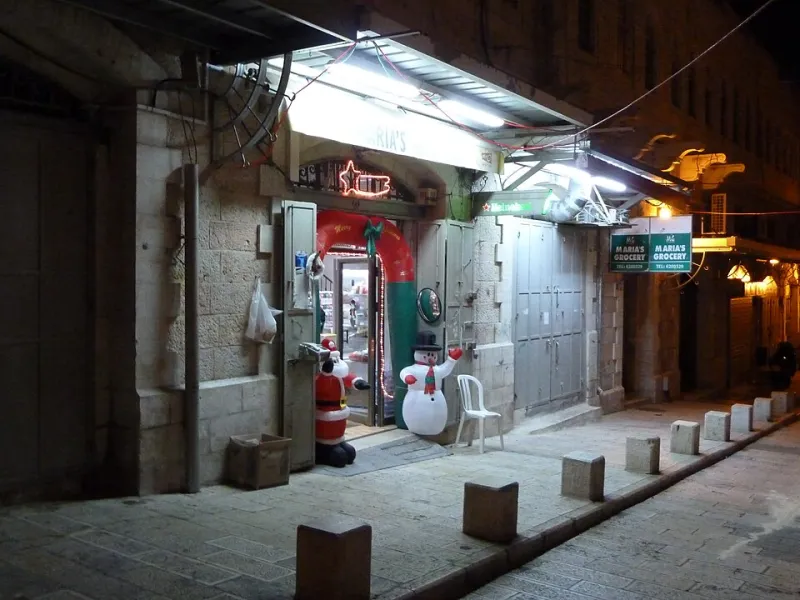
Photo: Utilisateur:Djampa - User:Djampa, CC BY-SA 4.0, via Wikimedia Commons
There is a moment, usually in the second week of November, when a suburban street is still innocent. The bins are out. Someone is raking leaves. Then a box appears from the loft, a blower coughs into life, and by teatime a six-foot inflatable Santa is nodding gently over a hedge. Nobody minds. It is charming. It is temporary. It is, in the language of local Facebook groups, ‘a bit of festive cheer’.
Three days later, the neighbour opposite has added a reindeer. Then an inflatable arch. Then a snowman so large it appears to be auditioning for a role in a disaster film. By the time December 2026 arrives, the airspace above Number 42 is a crowded wonderland, and the pavement has become a viewing platform. Welcome to Britain’s inflatable Santa cold war: a conflict fought with extension leads, timers and passive-aggressive emojis.
The first inflatable is never the last
Every arms race needs a spark, and in this one it is usually a garden centre bargain. A £29.99 Santa, bought on impulse beside a stack of half-price fairy lights, seems harmless enough. But inflatables are sociable creatures. They look lonely on their own. Before long there is a companion penguin, a polar bear in a scarf, and a ‘Santa stop here’ sign that is technically aimed at a supernatural being but also, unmistakably, at next door.
The economics are deceptively simple. The entry-level Santa is cheap. The mid-range snow globe is not. The premium display, with its own branded storage bag and a fan that sounds like a hovercraft, can cost several hundred pounds. Then come the running costs: the blower, the lights, the occasional repair patch after a gusty Tuesday. It is not quite a second mortgage, but it is enough to make you wonder whether the festive spirit accepts contactless.
Storage is the hidden expense. A family of five inflatables can colonise an entire garage. The loft fills with nylon bodies and extension cables. The spare room becomes a retirement home for a faded snowman. And every January, as the display is deflated and folded, someone says the same thing: ‘We’ll scale it down next year.’ They never do.
A cold war fought in extension leads
The etiquette of the front-garden display is unwritten but fiercely understood. Switching on before Advent is considered eager. Switching on before Bonfire Night is a declaration. Leaving the blower running at midnight is an act of aggression. Playing ‘All I Want for Christmas Is You’ on a loop from a speaker hidden in a fake gift box is, depending on your postcode, either a public service or a hate crime.
Then there is the question of light spill. A tasteful string of warm-white bulbs is neighbourly. A projector casting reindeer across three houses is less so. A strobing snow machine is the sort of thing that gets raised at a parish council meeting in a tone normally reserved for planning applications and dog fouling. The language is always polite. ‘We love the display, but is anyone else’s front room flashing?’ The subtext is less polite.
Local Facebook groups have become the diplomatic channel of choice. A photograph of a cul-de-sac looking like a budget Las Vegas is posted with the caption ‘Is this normal?’ Within minutes, the thread has split into factions. One camp defends the display as community joy. Another raises concerns about the pavement. A third makes a joke about the electricity bill. The admin locks comments before someone mentions parking. It is British diplomacy at its finest: passive, punctuated and occasionally punctuated by a mince pie.
What the council actually says
Councils rarely want to be the Grinch. Their guidance tends to be sensible rather than scenic: keep paths clear, don’t block fire exits, secure inflatables against wind, use outdoor-rated cables and an RCD, and consider neighbours when it comes to noise and light. Some ask residents to switch off displays late at night. Others issue reminders about public liability for charity events. The rules vary, because Britain is a patchwork of local habits and bin collection schedules.
Planning permission is seldom required for temporary Christmas decorations, but conservation areas and listed buildings can have their own expectations. If you live in a terrace with a shared alley, a narrow pavement and a neighbour who works nights, the safest guidance is the old-fashioned kind: ask first, apologise later, and never assume that a giant inflatable polar bear is universally welcome.
The real cost of looking fabulous
Beyond the purchase price, there is the cost of maintenance. Inflatables are not built for British weather. They deflate in a gust, sag in the rain and develop mysterious leaks. Repair kits become a household staple. So do extension leads, cable ties and the quiet fury of untangling a snowman from a hedge.
The real expense, though, is emotional. There is the negotiation over whose turn it is to switch the display on. The debate about whether the inflatable Santa counts as a security light. The annual argument about storage. And the peculiar pride of hearing a child say ‘look at that one’ as they pass your garden. That, for many, is the return on investment. The feud is often affectionate. The competition is real, but so is the donation tin by the gate.
The delicate art of not being that neighbour
If you are planning to join the inflatable ranks in December 2026, the advice is simple. Start modest. Secure everything. Use a timer. Keep the pavement clear. Check the wind forecast as if it were a travel update. And talk to the people next door before you install a nine-foot snowman that stares directly into their kitchen.
Most of all, remember that the best displays are not the loudest. They are the ones that make the street feel a little brighter without making anyone feel small. A mince pie offered across the fence goes a long way. So does a spare extension lead. The cold war may be inflated, but the neighbourly peace is worth protecting.