Sir Grits-A-Lot Rides Again: The Great British Gritter Name Contest Is Back
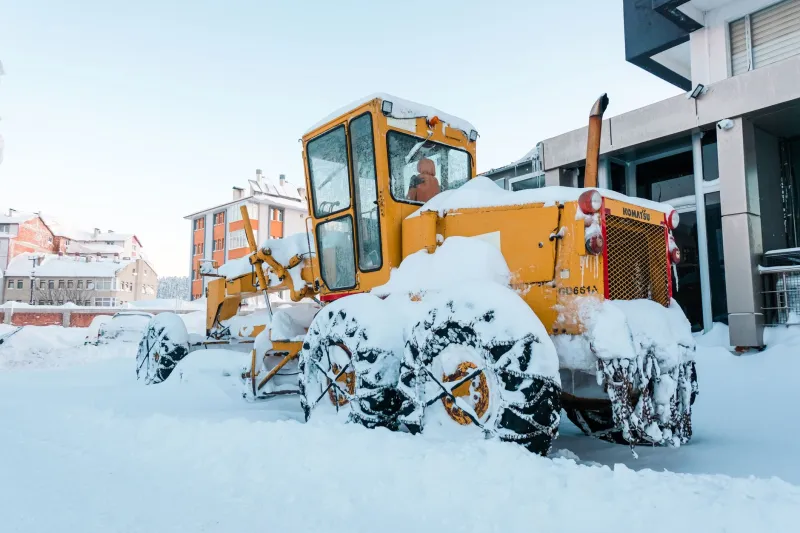
On a damp November morning, somewhere between a depot and a dual carriageway, a yellow lorry called Gritney Spears is preparing for its close-up. It is 11 November 2026, the forecasts have begun to use the word wintry with unnecessary relish, and Britain is once again doing what it does best at this time of year: giving heavy machinery a silly name and then arguing about it online.
Across the UK, councils and road operators have been unveiling their winter fleets, each vehicle burdened with a pun that would make a Christmas cracker groan. The public has been invited to vote, complain, suggest better ones and, in some cases, form passionate attachments to a salt spreader from a neighbouring authority. It is a strange ritual, but it is ours.
A pun with a purpose
The gritter naming competition is not, despite appearances, a waste of council time. It is a small piece of civic theatre that does a surprising amount of work. Schoolchildren get involved. Local radio gets a story. Residents who would never normally read a highways update suddenly know the name of the vehicle that might one day rescue them from a 2cm dusting of snow.
That is the trick of it. A gritter is a dull, useful thing: a lorry with a hopper, a plough and a route. Give it a name like Sir Grits-A-Lot and it becomes a character. People track it on maps. They wave at it. They post photographs of it with the sort of affection usually reserved for a dog on a village green.
From Scottish in-joke to national sport
The modern craze is usually traced to Scotland in the mid-2010s, when transport operators began asking schoolchildren to name the winter fleet. The results were inevitable: Gritty Gritty Bang Bang, Sir Grits-A-Lot, Sled Zeppelin, Thaw Enforcement. What began as a local bit of fun soon became a template. Councils from Highland to Hampshire realised that a pun on the side of a plough was worth more than a hundred dry press releases.
By 2026, the naming contest has become as reliable as the first supermarket Christmas advert. It arrives slightly earlier than you expect, divides opinion, and somehow makes the darker evenings feel a little more manageable. The public votes as if a general election has been called, except the candidates are all lorries and the manifesto is a single promise: we will spread salt.
The 2026 fleet: a shortlist with road salt in its veins
The exact roster varies by council, but the 2026 crop has the familiar mix of groaners, crowd-pleasers and names that will be repeated on local radio until the first proper frost. Among those doing the rounds are David Plowie, Spreaddie Mercury, Snowbi-Wan Kenobi, Gritney Spears, Salt-n-Pepa and, inevitably, another outing for Gritty Gritty Bang Bang.
Some are old favourites returning for another winter. Some are new. All of them are a reminder that British humour, when faced with infrastructure, will always choose the pun. There is something deeply reassuring about a council that can look at a 26-tonne vehicle and think: yes, but what if we called it Spreaddie Mercury?
Why we care about a lorry
The affection is not entirely ironic. In a country where a modest snowfall can bring a motorway to a standstill and a light dusting can empty the bread aisle, the gritter is a genuine hero. It is also the only celebrity that actually turns up when it says it will.
Naming the fleet gives that practical work a human face. It turns a council service into a local story. It gives people something to talk about that is not the weather, even though it is entirely about the weather. And it allows for a very British form of civic pride: not flag-waving, but quietly knowing that your town's gritter has a better name than the one in the next county.
The serious bit under the salt
Behind the jokes, winter maintenance is serious business. Salt stocks, route planning, driver shifts and weather forecasts all matter far more than a pun on a door. But the naming competition does no harm. It draws attention to the work. It encourages people to check routes and times. It makes a dull subject shareable.
It also gives residents a way to engage with the council that is not a complaint. That is rare. A named gritter is harder to ignore and easier to talk about. When it does not come down your road, you can at least say its name with feeling.
Forecast: more silliness
So as the 2026 fleet rolls out, expect more puns, more votes and more local arguments about whether a name is clever or simply a cry for help. Expect at least one council to claim it has the wittiest fleet in Britain. Expect the public to disagree. Expect the gritters themselves to carry on doing the job, whatever is painted on the side.
And if you see one on a cold morning, give it a wave. It has a silly name, a serious job and, for one winter at least, a place in the local conversation. That is more than most of us can claim.