The Red Kiosk Book Club: Borrowing, Bickering and the Battle for the Village Shelf
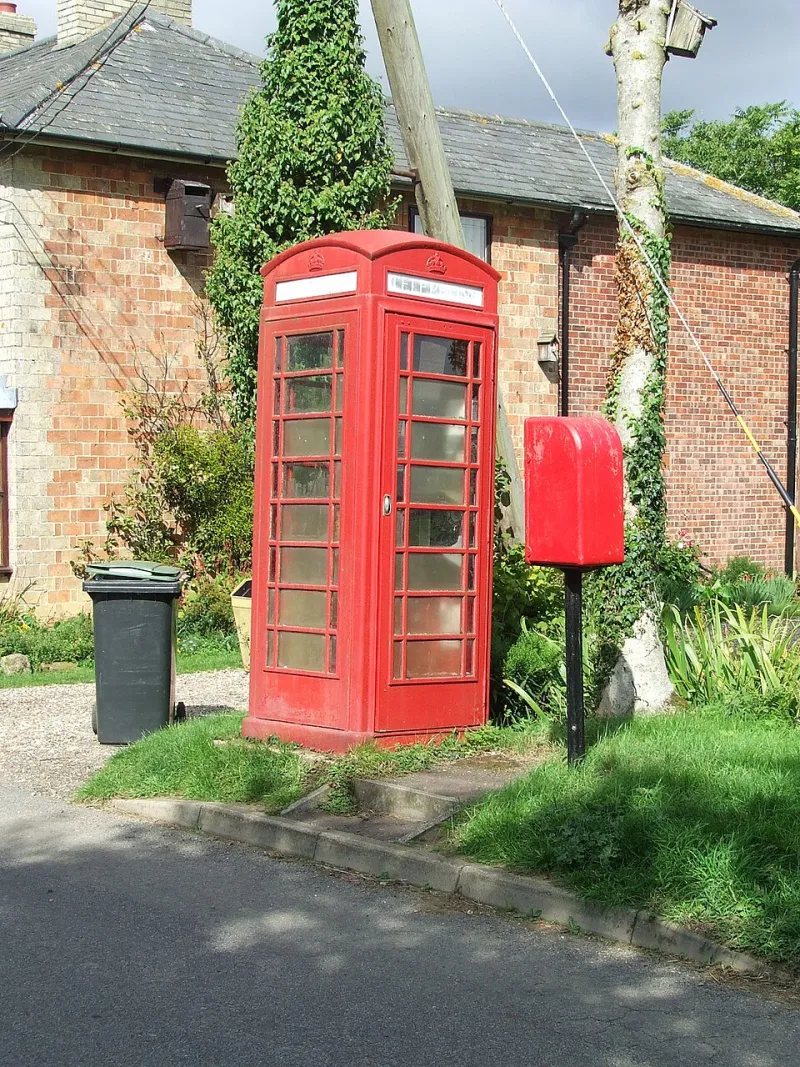
Photo: Keith Evans , CC BY-SA 2.0, via Wikimedia Commons
There is something quietly magnificent about a red phone box that no longer makes phone calls. The receiver is gone, the dial has been retired, and in its place sits a shelf of paperbacks with titles like The Norfolk Murder and One Summer in Cornwall. Welcome to the village book exchange: part civic boast, part recycling scheme, part passive-aggressive noticeboard for people with strong views on romance novels.
Across the UK, thousands of these kiosks have been adopted by communities and repurposed as tiny libraries. Some are immaculate, with laminated labels and a small tin for donations. Others are held together by enthusiasm, a damp carpet tile and the stubborn belief that a village without a book box is barely a village at all. In 2026, the red kiosk library is no longer a quirky experiment. It is a local institution, and institutions attract politics.
A shelf where the receiver used to be
The appeal is obvious. A phone box is the perfect size for a village library: small enough to feel charming, large enough to hold a few dozen thrillers, and red enough to be spotted from the other end of the green. Volunteers sweep them, polish the glass and arrange the stock with the seriousness of a museum curator. One week the display is crime fiction. The next it is wartime sagas, cookery books and a lone copy of The Da Vinci Code that has been doing the rounds since roughly the invention of the wheel.
These boxes have become unlikely status symbols. A well-kept kiosk says something about a place: that people here notice things, that someone has a key, that the parish council can be persuaded to part with a small sum for wood preserver. A neglected one says something else entirely. You can learn a lot about a village from whether its book box has a working door handle and whether the poetry section has been allowed to flourish or pushed to the bottom shelf next to a damp atlas.
The politics of the paperback pile
The tiny feuds are part of the charm. Not all-out war, you understand — more a low-level campaign of notes, sighs and tactical rearranging. Someone leaves a sign saying PLEASE DO NOT STOCK THE BOX WITH BOOKS FROM YOUR SHED. Someone else adds, in biro, Some of us enjoy Lee Child. A third person writes NO DANIELLE STEEL and then, a week later, someone has taped a small cardboard sign above the romance section reading Danielle Steel Corner. Be Kind.
There are rules, even if nobody agreed them. Books should be clean. Books should be dry. Books should not be textbooks from 1987, unless the village has a genuinely thriving audience for O-level chemistry. And yet the box always contains one copy of a diet book from the Nineties, one celebrity memoir nobody will admit to donating, and one thriller with a cover so lurid it looks as if it has been banned by the local primary school.
The volunteers bear this with remarkable patience. They are the sort of people who can spot a foxed page from twenty paces and who regard a broken spine as a personal insult. They also know that a book exchange is not a library in the formal sense. There is no barcode, no due date and no fines. There is only trust, and the faint hope that whoever borrowed The Thursday Murder Club will bring it back before the next bank holiday.
The donation question
Donations arrive in waves. There is the respectable carrier-bag delivery: a few recent paperbacks, perhaps a biography, maybe a cookbook with only minor gravy damage. Then there is the midnight drop-off, when someone leaves six boxes of Reader’s Digest condensed books and drives away before anyone can object. The volunteers sort, stack and quietly bin. They do not enjoy binning books. They simply recognise that a phone box is not a landfill site with a door.
What gets donated says a lot about local taste. Crime is always popular. So are family sagas, gardening manuals and anything with a dog on the cover. Poetry survives in small, determined clusters. Hardback classics appear occasionally, looking dignified and slightly bewildered. Children’s books are welcomed, provided they are not sticky. The true winners, though, are thrillers: the sort of paperback that can be read in a weekend and passed on with the cheerful words, “It’s not Shakespeare, but it’s good.”
The etiquette of the kiosk
Borrowing etiquette is beautifully British. You take a book. You feel mildly guilty. You bring it back, or you bring a different one in its place, or you leave a pound coin in the tin and hope that counts. You do not leave a soggy paperback. You do not cram in a hardback that prevents the door from closing. And you absolutely do not rearrange the entire shelf to put your own donation at eye level, unless you are prepared for the consequences.
The best boxes have a small notice inside explaining the system: Take a book. Leave a book. Enjoy. It is a model of simplicity. It also depends on a level of civic decency that would surprise anyone who has ever tried to use a shared office kitchen. Yet it works. People do return books. They do sweep out leaves. They do tell the volunteer that the latch is sticking again.
Why the red box still matters
In an age of e-readers and doorstep deliveries, the phone box library should be pointless. Instead, it has become a small act of local theatre. It gives a village somewhere to put its books, its opinions and its very mild grievances. It is a meeting point without the awkwardness of actual meetings. It is also, frankly, a nice thing to look at on a wet Tuesday.
So the next time you pass a red kiosk with a shelf of paperbacks and a handwritten warning about damp, treat it kindly. Take a thriller. Leave a decent paperback. And if you happen to have a Danielle Steel you no longer need, perhaps just place it gently in Danielle Steel Corner. Someone will have an opinion, but that is rather the point.