The Throne Rooms: Britain’s Unlikely Love Affair With Its Oddest Public Loos
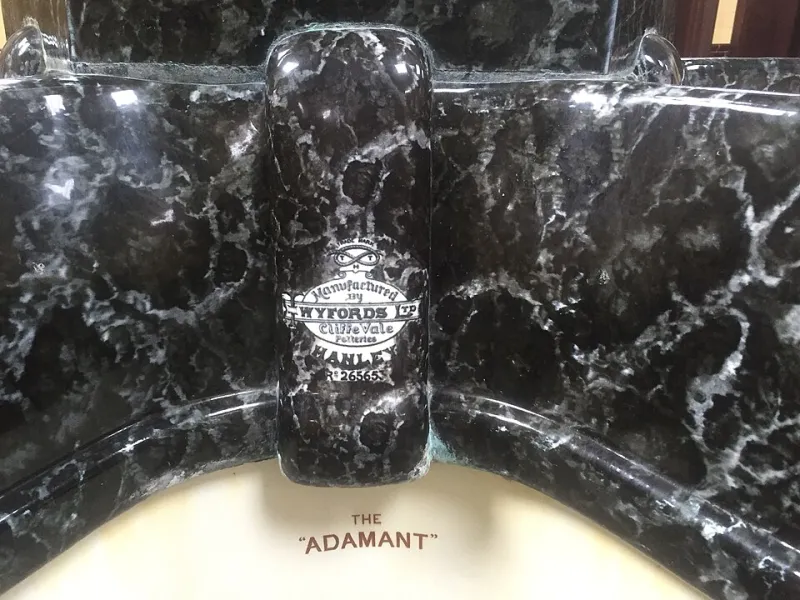
Photo: Kristijrn, CC BY-SA 4.0, via Wikimedia Commons
Public toilets are not usually things we celebrate. We queue for them, we complain about them, and we try not to think about them once we’ve left. Yet across Britain there is a quiet, slightly embarrassed fan club for the public convenience — not in a grubby way, but in the way people fall for lighthouses, bandstands and old bus shelters. These are small buildings with big personalities, and some of them are in danger of disappearing.
The seaside loo that thinks it’s a temple
Head to the right promenade and you may find a Victorian lavatory with the confidence of a cathedral. Rothesay on the Isle of Bute has long been the poster child for this sort of thing: tiled, decorative and far grander than the business it houses. You go in expecting a utilitarian cubicle and come out feeling you should have worn a hat.
These seaside conveniences were built when councils believed public buildings should be pleasant, even if the public in question was only popping in for a moment. The result is a genre of architecture that sits somewhere between municipal pride and seaside whimsy. People plan ferry trips around them. Photographers linger. One attendant told me that visitors sometimes ask whether they can bring a group. The answer, politely, is usually no — but the fact they ask says everything.
Mirrors, marble and municipal ambition
Then there are the underground washrooms that feel like a secret. A mirrored ceiling, a sweep of tiling, a staircase that takes you below street level — suddenly you are in a strange little disco that smells faintly of bleach. These places were built as statements. They said: our town is modern, our town is clean, our town can afford a decent hand dryer.
That ambition is easy to mock until you see it fading. A cracked tile here, a missing door hook there, and soon the whole place is described as “no longer fit for purpose.” But fit for purpose is a low bar. The best public loos are not merely functional; they are accidental landmarks. They are where a town shows off, or at least used to.
A cubicle with a view
Perhaps the strangest sub-genre is the convenience with a view. A promenade loo where the horizon appears above the cistern. A coastal cubicle with a window framing grey sea and a distant gull. You are not supposed to linger, but the view makes you want to. It is deeply British: a grand landscape, a small practical need, and an awkward sense that everyone involved is pretending not to notice the absurdity.
This is where public toilets become more than infrastructure. They become part of the local story. A school trip remembers the loo with the view. A family photograph includes the strange round building by the car park. Someone’s grandad always mentions the tiles. These are not glamorous memories, but they are sturdy ones.
The quiet fan club
There is a small online world of convenience connoisseurs: people who photograph hand basins, compare door latches and get genuinely excited about original signage. They are not weird. They are archivists of the everyday. When a council announces a closure, these are the people who turn up to meetings with laminated photographs and a surprisingly detailed knowledge of drainage.
Then there are the cleaners, who are the real custodians. They know which cubicle floods, which lock sticks and which local councillor is most likely to complain. They are the first to notice a leak and the last to be thanked. Any campaign to save a public loo tends to begin with them, even if the press release is written by someone else.
Historians, too, have started to take these buildings seriously. Not because every tiled wall is a masterpiece, but because public toilets tell us how towns saw themselves. They reveal attitudes to health, decency, civic duty and, frankly, money. A town that builds an ornate lavatory is a town making a promise. A town that closes it is making a different one.
Why we keep the doors open
Keeping public toilets open is expensive and unglamorous. Councils face hard choices, and nobody wins a vote by promising better facilities for people who are caught short. But the politics of the public loo is really the politics of the everyday. It is about dignity, access and the awkward British dance of pretending we don’t need help until we desperately do.
Campaigns to save a local convenience can be fiercer than a bypass row. There are petitions, public meetings, fundraising coffee mornings and, occasionally, a celebrity endorsement from someone who once filmed nearby. The arguments are practical — tourism, footfall, elderly residents — but the feeling underneath is pride. A town that keeps its doors open is saying something about itself.
So next time you see a strange little public loo with too much tiling and a slightly grand entrance, don’t just walk past. Notice it. Someone cleaned it this morning. Someone fought for it at a committee meeting. And somewhere, quietly, someone is taking a photograph of the door handle for a website you never knew existed. Britain’s oddest public toilets are not just places to go. They are places to go and see.