The Tinned Pea Accord: Britain’s Village Tombola Is a Masterclass in Passive Aggression
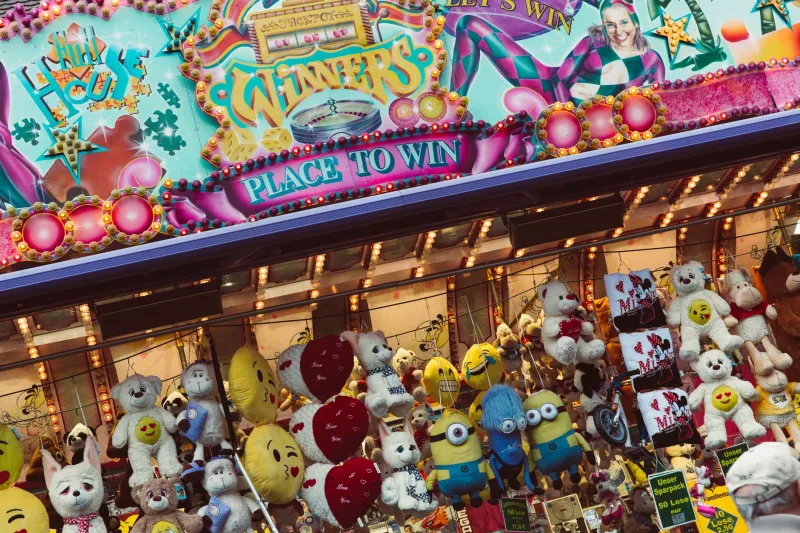
The first clue is the table. It is usually covered in a slightly sticky floral cloth, weighed down at one corner by a tin of fruit cocktail that has been circulating since the Queen’s Silver Jubilee. Behind it sits a woman with a cash tin, a card reader and the expression of someone who has seen things. This is not a raffle. This is the village tombola, and it is one of the last great British arenas of passive-aggressive diplomacy.
On the surface, it is simple. You buy a strip of tickets, you win a prize, the money goes to the church roof or the scout hut or the defibrillator fund. But anyone who has spent more than ten minutes at a summer fete knows the truth: the tombola is a small, brightly coloured theatre of etiquette, where every prize tells a story and every donor is quietly keeping score.
A Table Laid for Quiet Warfare
The tombola occupies a peculiar place in the fete hierarchy. It is not as glamorous as the cake stall, nor as cut-throat as the produce competition. It lacks the physical peril of the coconut shy and the moral ambiguity of the raffle for a hamper containing a bottle of Baileys and a novelty tea towel. But it has something better: the slow, delicious awkwardness of watching someone win a gift that was clearly regifted at least twice before.
In 2026, the tombola has adapted rather than disappeared. There is often a QR code taped to the table, linking to a prize list nobody reads. The cash tin now sits beside a contactless reader, because even the parish council has accepted that nobody carries coins anymore. But the prizes remain gloriously, stubbornly analogue: bath sets in cellophane, mini bottles of prosecco, puzzle books with one page filled in, and the occasional tin of peas that has become a local legend in its own right.
The Unwritten Rules of Prize Donation
Donating to the tombola is not as straightforward as handing over a box of chocolates. There are rules, and although nobody has written them down, everybody knows them. The first is that you must never donate something you would actually want to win. The second is that you must never donate something so obviously terrible that it looks like a bin clearance. The sweet spot is a prize that is technically new, vaguely useful and just impersonal enough to avoid suspicion.
A regifted bath set is acceptable. A regifted bath set with the original gift tag still attached, bearing the name of a different village and a message reading ‘Happy Birthday, Brenda’, is not. A bottle of wine is a classic. A bottle of wine with a faded label and a price sticker from a supermarket that closed in 2019 is a conversation starter for all the wrong reasons. The tombola table is a mirror held up to the community, and what it reflects is a nation of people trying to be generous without being out of pocket.
The real skill lies in the presentation. A tin of own-brand biscuits can be elevated by a square of red ribbon and a handwritten label saying ‘Festive Treat’. A children’s jigsaw can become a ‘Family Fun Bundle’ if you add a second-hand pencil. The tombola is not about deception; it is about framing. It is the domestic equivalent of a press release.
Star Prizes and the Politics of the Top Shelf
Every tombola has a hierarchy, usually expressed through geography. The best prizes sit on the top shelf, behind the table, slightly out of reach. These are the star prizes: a hamper, a voucher for a local garden centre, a bottle of something with a cork. They are not necessarily better than the mid-table prizes, but they signal importance. The top shelf is where the committee puts the things it wants people to see. It is also where the arguments happen.
Who decides what counts as a star prize? The fete committee, usually a group of four people who communicate via a WhatsApp group named something like ‘Fete 2026 – Final Plans (No Really)’. The star prize selection process is shrouded in mystery, but it is believed to involve a combination of seniority, personal favour and whether the donor has agreed to run the bottle stall for the third year running.
The tactical deployment of star prizes is where the passive aggression really comes into its own. A star prize can be used to reward a loyal helper, to placate a difficult neighbour, or to subtly remind the vicar that his sermon on generosity was a bit rich given he only donated a box of tea bags. The top shelf is not a display; it is a foreign policy.
Why the Tombola Refuses to Die
You might think that in an age of online raffles, silent auctions and charity apps, the village tombola would have faded away. It has not. If anything, it is thriving. Part of the reason is cost. A tombola ticket is cheap enough to feel like a harmless flutter, even in a year when the cost of everything has made people think twice about a £4 slice of cake. Part of the reason is nostalgia. The tombola is a ritual, and rituals are comforting.
But the deeper reason is that the tombola offers something the internet cannot: the opportunity to watch your neighbours in a state of mild, public disappointment. There is a particular kind of British joy in seeing a man who has spent £10 on tickets win a single sachet of hot chocolate and a small plastic hedgehog. He will thank the woman behind the table. She will say ‘Ooh, that’s a good one’. He will put the hedgehog in his pocket and walk away with the dignity of someone who has not just lost a small fortune to a church roof fund.
The tombola is also a masterclass in the art of the graceful loser. Nobody wants to win too much. Winning the top prize is fine, but winning it twice is greedy. Winning a prize and then immediately donating it back to the table is the height of good form, although it does raise the awkward question of whether you have just regifted something you won five minutes ago. The tombola has an answer for that: nobody saw anything.
The Winning Ticket Is Rarely the Point
By the end of the afternoon, the table is half empty, the cash tin is full, and the woman in charge is packing away the remaining prizes for next year. The tinned peas will return. The bath set will find a new home. The star prize will have been won by someone who will claim to be delighted and will spend the drive home wondering what to do with a garden centre voucher for a place they have never visited.
The village tombola is not really about prizes. It is about the quiet, mutual agreement that we will all pretend this is fun, that we will all donate something we do not want, and that we will all clap when the vicar wins the prosecco. It is a small, strangely beautiful machine for turning mild irritation into community spirit. And in 2026, it remains one of the best places to watch Britain being British.