Beans, Beards and a Borrowed Cow: The Glittered Afterlife of Britain’s Village Hall Panto Props

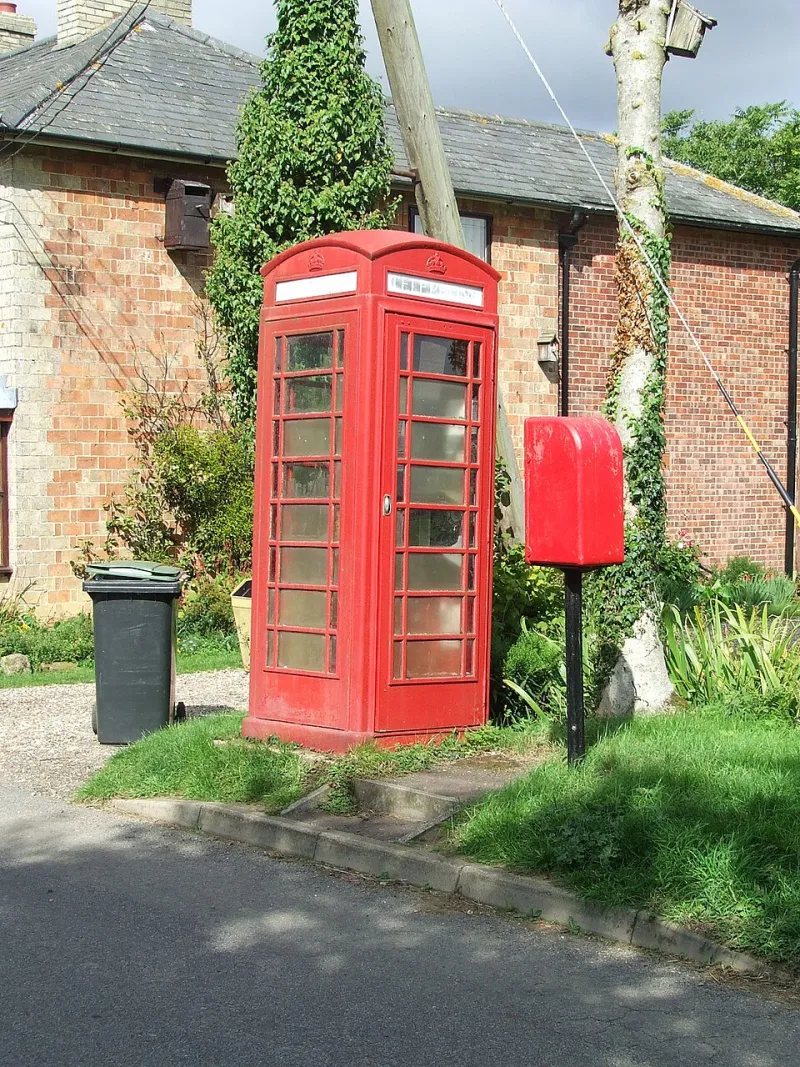
Photo: Peter Facey, CC BY-SA 2.0, via Wikimedia Commons
There is a particular smell to a village hall cupboard in November. It is part dust, part glitter, part the ghost of a hundred borrowed cardigans. Somewhere inside, a fake beard is resting on a tin of gloss paint, a collapsing beanstalk is leaning against a stack of folding chairs, and a cow costume is waiting for two people who have not yet been told they are playing the cow.
This is the less glamorous engine room of British amateur pantomime: the prop store. Not the dressing room, not the stage, not the front-of-house raffle table with its slightly sad hamper. The cupboard. The garage. The spare bedroom that has been quietly surrendered to a fibreglass pumpkin.
As the 2026 panto season creeps into view, amateur dramatic societies across the UK are opening those cupboards again. What they find is part national treasure, part fire hazard and part community memory. It is also, rather wonderfully, held together with gaffer tape and stubbornness.
The cupboard that smells of glitter
Most village hall panto props do not live in a museum. They live wherever a volunteer has space and a forgiving family. A shed in Worcestershire. A loft in Fife. A former coal store in County Durham. The better-organised societies have shelves and labels. The others have a system best described as ‘ask Brenda’.
The contents are rarely valuable in any conventional sense. A crown that has been sprayed gold so many times it now resembles a very shiny pork pie. A set of wooden coins for the treasure scene. A pantomime goose with one unnerving eye. A lamp that has been the enchanted lamp since the 1980s and has outlasted at least three committees, two vicars and one particularly tense annual general meeting.
What makes these objects worth keeping is not their quality. It is their history. A prop that has survived one panto has earned another. A prop that has survived twenty has become folklore. Volunteers can tell you which production the giant’s boot came from, who painted the backcloth, and why the camel has a patch on its left flank. The answer is usually: ‘Don’t ask about the camel.’
Nothing is thrown away, everything is repurposed
Amateur dramatic budgets are not known for their elasticity. A village panto may have a set budget that would not cover a decent night out in the West End, so the prop cupboard becomes an economy of its own. Last year’s beanstalk becomes this year’s beanstalk with fresh leaves. A coffin from a murder mystery is reborn as a treasure chest. Somewhere in Britain, a set of giant cutlery is almost certainly doing double duty as a royal banquet.
The repair rituals are wonderfully unglamorous. Gaffer tape is the great British equaliser. Cable ties hold together what hope cannot. Spray paint solves most colour problems, at least from the back of the hall. Glitter is applied as if it were a structural material, which, in panto, it sometimes is.
Then there is the borrowed cow. Every society seems to have an alarming animal costume, usually designed for two people and at least one awkward conversation about who goes at the front. The cow is not comfortable. The cow is not convincing. The cow has, on more than one occasion, been the funniest thing in the show without saying a word. It is stored with care, partly out of affection and partly because nobody wants to explain to the committee why the cow is damp.
The fire officer cometh
The affectionate chaos has a practical side. Village halls have fire regulations, and props have a habit of being flammable. Fake beards, cheap fabric, polystyrene scenery and fairy lights of uncertain age are not an ideal combination. Volunteer stage managers increasingly keep risk assessments, fire-retardant certificates and a sensible eye on exit routes.
The tension is not usually dramatic. It is the quiet negotiation familiar to anyone who has run a community event: keep the magic, but keep the fire exits clear. The enchanted lamp may be beloved, but it still needs to be checked. The beanstalk may be a masterpiece of wire and optimism, but it cannot block the door. Panto may be built on nonsense, but health and safety is not.
That is part of the charm. The prop cupboard is a reminder that amateur theatre is not amateurish in effort. Behind the silly voices and the singalong there are people counting chairs, testing batteries, labelling boxes and wondering whether the giant’s head will fit through the fire door. It is a small, civic kind of magic.
Opening night and the rituals of panic
On opening night, the cupboard’s contents are tested in public. The beanstalk may refuse to collapse on cue. The cow may lose a hind leg during the walk-down. A crown may tumble into the orchestra pit, where it is retrieved by a trombonist who has seen worse. The enchanted lamp, despite everything, may choose that exact moment to go dark.
Backstage, the repair kit comes out: safety pins, sewing thread, spare batteries, a hot glue gun and a small amount of chocolate for morale. Nobody panics for long. They improvise. They ad-lib. They turn a malfunction into a gag, which is arguably the highest form of panto skill. The audience laughs, the children in the front row remain convinced, and the prop lives to be packed away again.
A cupboard worth keeping
It would be easy to dismiss all this as clutter. It is not. The village hall prop store is a social archive with a faint smell of hairspray. It records what a community made together, often on a shoestring, usually in the dark, and always with somebody’s dad muttering about the wiring.
So when the 2026 season begins and the curtain goes up on another borrowed kingdom, spare a thought for the cupboard behind it. The fake beard is probably fine. The cow is probably not. The enchanted lamp is almost certainly still working, in the way that a thing works when an entire village has decided it must. It is a national treasure, a fire hazard and a very British kind of inheritance, all at once.